Where Broken Lives Find Shelter: The Church's Calling to Walk Alongside Abuse Survivors
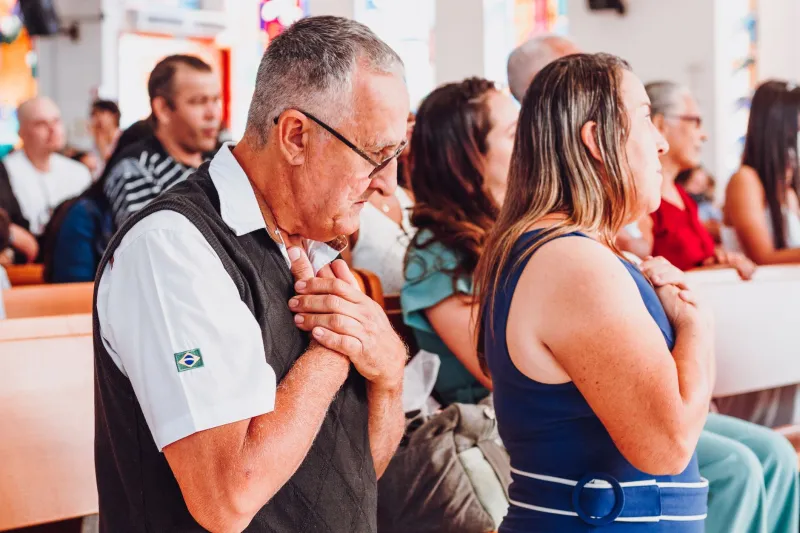
The woman who slips into the back pew on a Sunday morning may carry something no one in the congregation can see. She may have spent the previous night navigating threats, managing a household held together by fear, or rehearsing the story she will tell if anyone notices the bruise beneath her collar. She has come to church because some part of her still believes — or desperately wants to believe — that there is a God who sees her, a community that will not look away, and a path forward that does not require her to surrender her safety in exchange for her faith.
Whether that belief is rewarded depends, in large measure, on whether the congregation she has entered is prepared to meet her.
In Orlando and across Central Florida, a growing number of churches are taking seriously their responsibility to serve as genuine sanctuaries — not merely in the architectural or liturgical sense, but as communities equipped to recognize, respond to, and walk alongside those escaping abusive and toxic relationships. This is not a peripheral ministry. It is, many pastors argue, a direct expression of the Gospel itself.
Understanding the Intersection of Faith and Abuse
For survivors of domestic abuse or relational trauma, the church can be either a lifeline or a source of additional harm — and far too often, it has been the latter. Well-meaning but theologically misapplied counsel has, in some cases, urged survivors to remain in dangerous situations in the name of marital covenant or Christian submission. These responses, however sincere, have caused profound damage and driven vulnerable people away from the very communities that should have protected them.
Pastor David Reyes, who leads a congregation in the greater Orlando area and has developed a structured domestic violence response ministry within his church, speaks directly to this failure. "The church has sometimes confused endurance with holiness," he says. "But Scripture never calls a person to endure harm as an act of faithfulness. The God of the Bible is a defender of the vulnerable — Psalm 82, Isaiah 1, the entire prophetic tradition. When we fail survivors, we are not being more biblical. We are being less."
The theological grounding for survivor support is, in fact, deeply rooted in orthodox Christian teaching. Justice and mercy are not competing values in Scripture — they are inseparable. Proverbs 31:8-9 calls believers to "speak up for those who cannot speak for themselves" and to "defend the rights of the poor and needy." The church that takes these commands seriously will not remain silent when a member's safety is at risk.
Trauma-Informed Ministry: What It Looks Like in Practice
Being trauma-informed does not require a congregation to become a clinical treatment center. It does require a willingness to understand how trauma affects the mind, the body, and the spirit — and to adjust pastoral responses accordingly.
Survivors of abuse often exhibit patterns of behavior that, without context, can appear confusing or even spiritually troubling: minimizing their experiences, defending their abusers, returning to harmful relationships after leaving, or struggling to trust authority figures, including pastors. A trauma-informed congregation understands that these responses are not signs of weak faith — they are predictable effects of psychological harm.
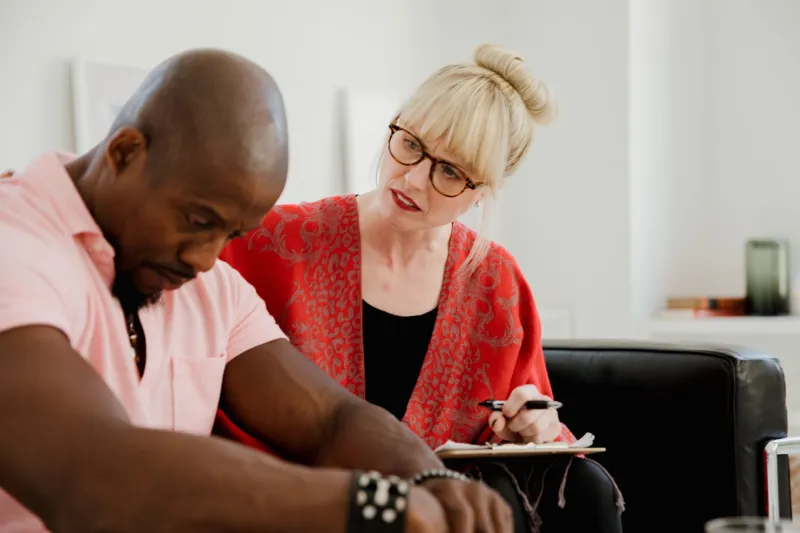
Several Orlando-area churches have begun partnering with licensed Christian counselors and organizations such as the Harbor House of Central Florida to train staff and lay leaders in trauma-informed care. This training helps church members recognize warning signs, respond without judgment, and connect individuals with the professional resources they need — while maintaining the spiritual support that a counselor's office alone cannot provide.
"People need both," says Dr. Angela Whitfield, a licensed clinical social worker and elder at a Baptist congregation in Orange County. "They need someone who can help them process the trauma therapeutically, and they need a community that will pray with them, sit with them, and remind them that they are not defined by what was done to them."
Creating a Culture Where Survivors Feel Safe to Speak
Before a survivor will ever approach a pastor or a ministry leader, they must first believe that doing so is safe. That belief is built — or destroyed — long before any crisis arrives, through the ordinary language and culture of a congregation.
Churches that speak carelessly about marriage, that treat submission as synonymous with silence, or that frame divorce as the greatest possible failure regardless of circumstances, inadvertently communicate to survivors that their pain is unwelcome. By contrast, congregations that preach honestly about the full counsel of Scripture — including its strong condemnation of those who use power to harm — create an environment where the vulnerable know they will be believed rather than blamed.
This cultural work begins in the pulpit. When pastors name abuse explicitly, acknowledge that it occurs within Christian marriages and families, and affirm that the church stands with survivors, they send a signal that reaches every hurting person in the room. It costs nothing to say it. The cost of not saying it is far greater.
Supporting Survivors Without Shaming Them
One of the most damaging responses a church can offer a survivor is one that centers the congregation's comfort over the survivor's safety. This can take many forms: pressuring a survivor to reconcile prematurely, publicizing their situation without consent, or treating their departure from a marriage as the primary moral concern rather than the abuse that made that departure necessary.
Healthy survivor support begins with believing the person who comes forward. It continues with helping them access concrete resources — safe housing referrals, legal advocacy connections, financial assistance — while walking alongside them spiritually. It does not require the church to adjudicate every detail of a complex situation before offering help.
Pastor Reyes describes his congregation's protocol simply: "We believe, we help, and we pray. We do not require a woman to prove her suffering before we take her seriously. We leave the investigation to the appropriate authorities. Our job is to be the hands and feet of Christ — and Christ never turned away someone in need."
Accountability and Redemption: Holding Both Truths
A complete theology of abuse response cannot focus solely on the survivor. It must also reckon honestly with the person who caused harm. The Gospel holds together two truths that can feel in tension: every person is made in the image of God and therefore capable of redemption, and every person is accountable for their actions and cannot be shielded from consequences in the name of grace.
Churches that protect abusers — whether by minimizing their behavior, enabling their continued access to victims, or prioritizing the family's public reputation over a survivor's safety — are not extending grace. They are distorting it. True redemption, where it occurs, requires honest acknowledgment of harm, genuine accountability, and professional intervention. It is never the survivor's responsibility to facilitate it.
A Sanctuary in the Truest Sense
The early church was known as a community where the marginalized found belonging, the broken found healing, and the powerful were called to account. That witness is as urgent today as it was in the first century. Orlando's faith communities have the opportunity — and the obligation — to embody that witness for the men, women, and children in their midst who are carrying wounds that the world has refused to take seriously.
The woman in the back pew is watching. She is waiting to see whether the church she has tentatively trusted will prove worthy of that trust. By God's grace, and with intentional preparation, it can.